In the ever-evolving landscape of property management, attracting and securing the most qualified tenants remains a cornerstone of success. As we look towards 2026, the strategies for effective tenant screening and placement are becoming increasingly sophisticated, blending technology with a keen understanding of human behavior and evolving legal frameworks. This article will guide you through the essential steps to ensure you place tenants who not only pay rent on time but also treat your properties with respect, ultimately maximizing your investment.
The Shifting Sands of Tenant Expectations
Before diving into screening methods, it’s crucial to understand what today’s—and tomorrow’s—tenants are looking for. The pandemic significantly accelerated a shift towards digital interactions, and this trend continues to dominate the rental market. Prospective tenants in 2026 expect seamless online experiences, from initial property viewing to application submission. They value transparency, prompt communication, and properties that offer modern amenities and smart home features. Understanding these expectations is the first step in crafting an attractive offering that naturally attracts a higher-caliber applicant.
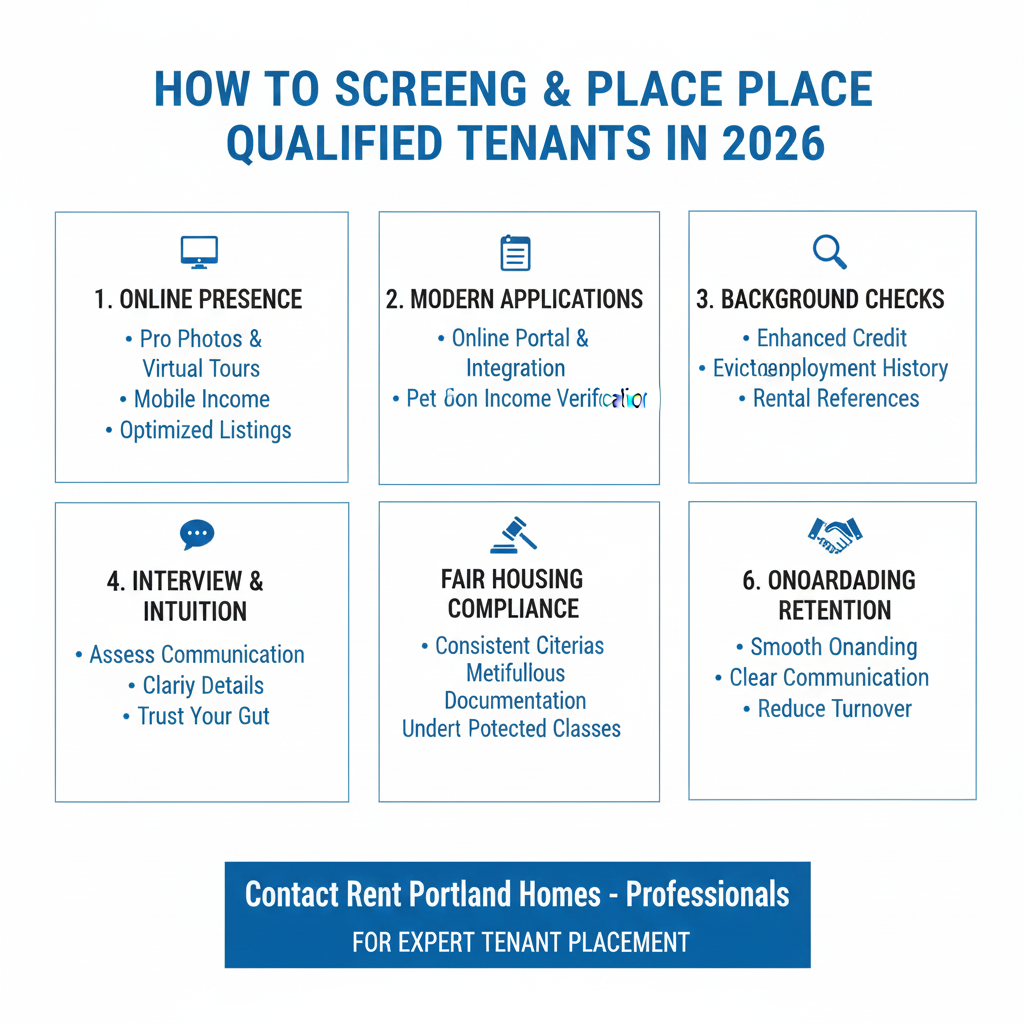
Step 1: Crafting an Irresistible Online Presence
Your property’s online presence is its digital storefront. In 2026, this goes far beyond a few grainy photos. Professional photography, virtual tours (3D walkthroughs), and even drone footage for larger properties are becoming standard. Highlight key features, amenities, and the surrounding neighborhood.
Remember, a detailed and compelling listing acts as an initial filter, attracting individuals who are genuinely interested and align with what your property offers. Ensure your listings are syndicated across all major rental platforms and optimized for mobile viewing, as many tenants conduct their initial searches on smartphones.

Step 2: The Modern Application Process: Streamlined and Insightful
Gone are the days of paper applications. In 2026, a robust online application portal is non-negotiable. This portal should be intuitive, secure, and integrate with your screening tools. Beyond basic personal information, a modern application might include:
- Pet Profiles: If you allow pets, integrate a pet screening service that verifies pet history and behavior.
- Proof of Income Automation: Utilize tools that can securely verify income through bank statements or payroll data, reducing the risk of fraudulent documentation.
- Pre-qualification Questions: Implement a few initial questions to weed out obviously unqualified applicants before they invest time in a complete application.
Step 3: Comprehensive Background Checks: Beyond the Basics
This is where the rubber meets the road. While credit checks, criminal history, and eviction history remain foundational, 2026 demands a more nuanced approach.
- Enhanced Credit Analysis: Look beyond just the credit score. Analyze payment history, debt-to-income ratio, and any recent bankruptcies or collections. Pay particular attention to past housing-related debts.
- Thorough Criminal Background Checks: Utilize reputable services that provide comprehensive national and local checks. Understand the legal limitations and fair housing guidelines in your area regarding criminal history.
- Detailed Eviction History: A history of evictions is a significant red flag. Ensure your screening service provides up-to-date and accurate eviction data.
- Verification of Employment and Income: Always verify employment directly with employers and confirm income using multiple sources (pay stubs, bank statements, tax returns). Be wary of inconsistencies.
- Rental History Verification: This is arguably one of the most crucial steps. Contact previous landlords, not just the current one. Ask specific questions about payment history, property care, lease violations, and notice given upon vacating. Look for patterns of behavior.
- Social Media Insights (with caution): While not a primary screening tool, a quick, public social media review can sometimes offer additional insights into an applicant’s character or lifestyle. However, exercise extreme caution here to avoid discriminatory practices and focus only on publicly available information. It should never be the sole basis for a decision.

Step 4: The Interview and Gut Feeling
Even with advanced screening, a personal interaction can provide invaluable insights. A brief phone or video interview allows you to:
- Assess Communication Skills: How do they present themselves? Are they articulate and responsive?
- Clarify Application Details: Address any ambiguities or gaps in their application.
- Understand Their Needs: Discuss their reasons for moving, their ideal living situation, and how long they plan to stay. This helps determine if they are a good fit for the specific property and community.
- Trust Your Instincts: While screening data is objective, your gut feeling, combined with all the gathered information, can be a powerful tool.
Step 5: Fair Housing Compliance: Navigating the Legal Landscape
As screening methods evolve, so too do fair housing regulations. Staying compliant in 2026 means:
- Consistency: Apply the same screening criteria to all applicants. Deviations can lead to discrimination claims.
- Documentation: Maintain meticulous records of your screening process, communications, and decisions for every applicant.
- Understanding Protected Classes: Be fully aware of federal, state, and local protected classes. Train your staff regularly on fair housing laws.
- Adverse Action Notices: If you deny an applicant based on information from their background check, you are legally required to provide an adverse action notice.

Step 6: Onboarding and Retention: Beyond Placement
Placing a qualified tenant is just the beginning. A smooth onboarding process, clear communication of lease terms, and a responsive approach to maintenance requests contribute significantly to tenant satisfaction and retention. Happy tenants are more likely to renew their leases, reducing turnover costs and maintaining consistent cash flow.

Take A Proactive Approach to Property Management
In 2026, successful tenant screening and placement will hinge on a proactive, technologically integrated, and legally compliant approach. By combining robust online tools with diligent background checks and a commitment to fair housing, property managers can confidently secure the best tenants, safeguard their investments, and foster thriving rental communities.
Is the intricate process of tenant screening and placement consuming your valuable time? Let the experts handle it!
Contact Rent Portland Homes – Professionals today for a free consultation. We specialize in attracting, screening, and placing the most qualified tenants, ensuring your Portland property thrives. Visit our website or call us to learn more!
Learn more about the services that we can offer you by calling us at (503) 646-9664 – Talk to a Live Person – Our office answers the phone 9 AM to 5 PM Monday through Friday – or click here to connect with us online.