


For property owners, managing a real estate investment comes down to one core balancing act: maximizing rental yield while protecting the underlying asset. Yet when it comes to keeping a property in rentable condition, landlords often divide into two camps. The first camp practices reactive maintenance—fixing things only when they break. The second camp adheres to Preventive Maintenance—inspecting, servicing, and replacing components before they fail.
While waiting for something to break might seem like a way to save money upfront, a closer look at the operational, financial, and relational impacts reveals a stark contrast between these two strategies. Let’s break down how they work and determine which approach truly serves a landlord’s bottom line.
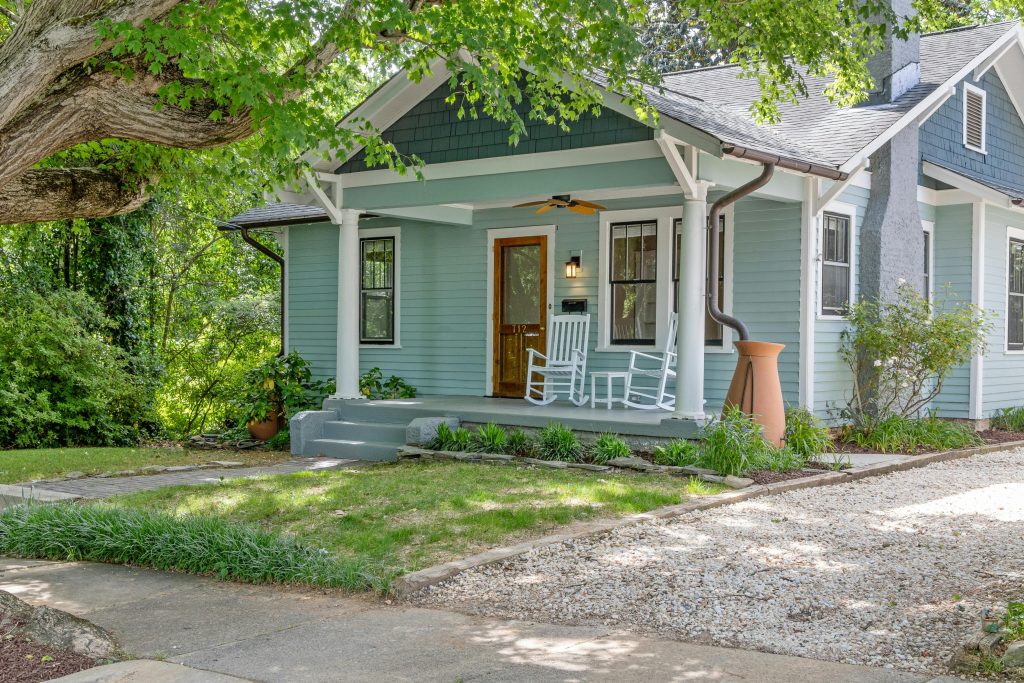
Reactive Maintenance: The “If It Ain’t Broke, Don’t Fix It” Trap
Reactive maintenance, also known as corrective or breakdown maintenance, occurs when repairs are performed only after an asset has already failed. Examples include replacing a water heater after it bursts, fixing a furnace in the dead of winter, or repairing a roof after a severe leak has stained the ceiling.
The Pro:
- Low Initial Costs: On a quiet month where nothing goes wrong, your maintenance expenses are zero. You only pay for what you absolutely need, exactly when you need it, preserving short-term cash flow.
The Cons:
- Premium Emergency Costs: Emergency repairs are notoriously expensive. Calling an HVAC technician at 2:00 AM on a Sunday costs significantly more than a scheduled tune-up on a Tuesday afternoon.
- Collateral Damage: A small leak that goes unnoticed can rot rental subfloors, ruin drywall, and breed toxic mold, turning a minor pipe repair into a multi-thousand-dollar remediation project.
- High Tenant Turnover: Tenants quickly lose patience with landlords who operate purely reactively. Living without heat, hot water, or working appliances can be frustrating, leading to high vacancy rates and negative reviews.
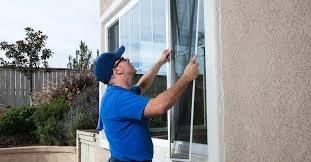
Preventive Maintenance: Protecting the Asset Long-Term
Preventive maintenance is a proactive strategy that involves regular inspections, routine servicing, and scheduled updates. It treats property care like car maintenance; you change the oil to prevent the engine from seizing. Examples include clearing gutters before the rainy season, replacing HVAC filters every three months, and checking under sinks for slow drips.
The Pros:
- Predictable Budgeting: Instead of being hit with a massive, unexpected $6,000 repair bill, preventive maintenance lets landlords plan their expenses linearly throughout the year.
- Extended Asset Lifespan: Regular servicing ensures that expensive appliances, roofing systems, and mechanical units operate efficiently and last for their full engineered lifespan.
- Stronger Tenant Retention: Tenants appreciate a proactive landlord. Regular check-ins demonstrate that you care about their living conditions, which encourages them to better care for the property and to renew their leases.
The Con:
- Upfront Costs and Coordination: It requires a continuous investment of time and money, even when everything seems to be working perfectly. Landlords must also coordinate schedules with tenants to gain access for inspections.

The Financial Showdown: Which is Better?
To understand which strategy wins, consider the math behind a standard property component: the HVAC system.
Under a reactive model, a landlord ignores the furnace for seven years. Dust builds up, the motor strains, and it suddenly dies during a historic freeze. The landlord pays an emergency fee ($300), a rush installation premium ($5,000), and must compensate the tenant for a hotel stay ($400) because the property is uninhabitable. Total cost: $5,700, plus a highly disgruntled tenant who will likely break their lease.
Under a preventive model, the landlord pays $150 annually for a professional tune-up and regularly changes the filter. Over the past 7 years, they have spent roughly $1,350. During an inspection, the technician notices a worn belt and replaces it for $70, preventing a system failure. The furnace easily lasts another decade.
When you scale this math across roofing, plumbing, and foundations, preventive maintenance consistently yields a higher Return on Investment (ROI).
The Verdict: Preventive Maintenance Wins Comfortably
While reactive maintenance may give the illusion of saving money in the short term, it is ultimately a high-risk gamble. It leaves landlords vulnerable to catastrophic expenses, legal liabilities, and high vacancy rates.
Preventive maintenance is indisputably the better strategy for landlords. It transforms property management from a series of stressful, chaotic emergencies into a predictable, professional business. By investing small amounts of time and capital today, you protect your cash flow, secure your equity, and keep your tenants happy—ensuring your real estate investment remains profitable for years to come.
Learn more about the property management services that we can offer you by calling (503) 646-9664 – Talk to a Live Person – Our office answers the phone 9 AM to 5 PM Monday through Friday – or click here to connect with us online.

