


The bond between humans and animals is undeniably powerful, but not all companion animals share the same legal status or responsibilities. While they all offer comfort, important distinctions exist between service animals, emotional support animals (ESAs), and ordinary pets. Mistaking one for another can lead to confusion in public spaces, legal complications, and misunderstandings about accessibility rights. To clear up the confusion, we need to examine what defines each category, focusing on training, legal protections, and their primary functions.
Service Animals: Highly Trained Working Professionals
Under federal regulations like the Americans with Disabilities Act (ADA), a service animal is not a pet. It is strictly defined as a dog (or, in rare legal exceptions, a miniature horse) that is individually trained to do work or perform specific tasks for a person with a disability. The defining characteristic of a service animal is its specialized training. The tasks they perform must directly relate to the handler’s disability. For instance:
- A guide dog assists an individual who is blind or visually impaired with navigation.
- A medical alert dog can detect blood sugar changes in a diabetic handler or warn of an impending seizure.
- A psychiatric service dog might perform deep pressure therapy to ground a handler during a severe panic attack.
Because they are essential medical accommodations, service animals have broad legal protections. They are granted full public access rights, meaning they can accompany their handlers into restaurants, grocery stores, hotels, and airplanes. Business owners may ask only one specific question if the animal’s need is not obvious: Is the animal required because of a disability? What task has the animal been trained to perform?

Emotional Support Animals: Comfort by Presence
An Emotional Support Animal (ESA) provides therapeutic benefit to an individual with a mental or psychiatric disability through companionship and affection. Unlike service animals, ESAs are not limited to dogs; cats, rabbits, birds, and other animals can serve in this role. The major distinction is that ESAs do not require specialized training to perform tasks. Their healing power comes entirely from their presence, offering comfort that can alleviate symptoms of depression, anxiety, or PTSD. Because they lack task-specific training, ESAs do not enjoy the same sweeping public access rights as service animals. They are generally not allowed in grocery stores, malls, or restaurants. However, they do have legal protections under the Fair Housing Act (FHA). Landlords must provide “reasonable accommodations” to allow ESAs to live with their owners, even in housing complexes with strict “no pets” policies, and they cannot charge pet fees. To qualify for an ESA, an owner must possess an official letter from a licensed mental health professional.
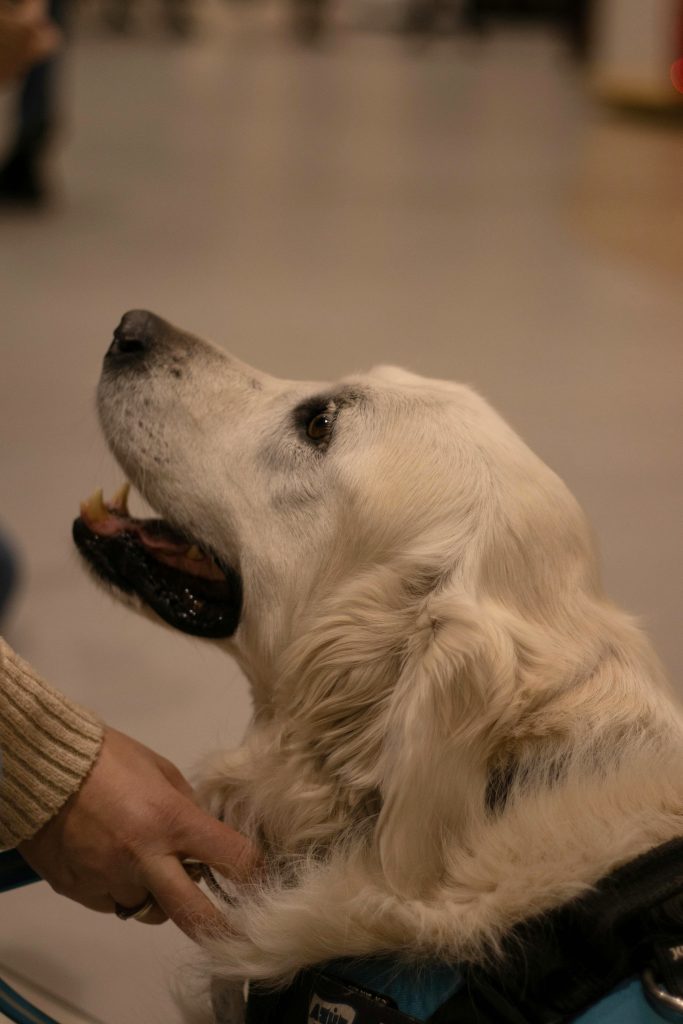
Pets: Beloved Family Members
At the foundation of the animal companionship pyramid are pets. A pet is kept purely for companionship, pleasure, and emotional enjoyment. While a pet can provide immense joy, reduce stress, and feel like a vital member of the family, it carries no legal status under disability laws. Pets do not have public access rights to businesses, and they are subject to all housing rules, breed restrictions, and pet fees imposed by landlords.
| Feature | Service Animals | Emotional Support Animals (ESAs) | Pets |
| Species Allowed | Only Dogs (and Miniature Horses) | Any domestic animal | Any legal animal |
| Special Training? | Yes (Individualized task training) | No | No |
| Public Access Rights? | Yes (Broad legal right to all public spaces) | No (Restricted to pet-friendly spaces) | No (Restricted to pet-friendly spaces) |
| Housing Protections? | Yes (Exempt from fees/no-pet rules) | Yes (Exempt from fees/no-pet rules via FHA) | No (Subject to landlord rules and fees) |
The Importance of the Distinction
Understanding these boundaries is crucial for protecting the integrity of accessibility programs. Misrepresenting a pet or an ESA as a service animal in public not only breaks the law in many jurisdictions, but it also creates safety hazards and fosters skepticism toward individuals who legitimately rely on trained working animals to navigate daily life. Each animal has a distinct place—whether as a medical lifesaver, a psychological anchor, or a cherished household companion.
Get A. Property Management Quote
For more information about the differences between emotional support, service animals or pets, or to learn more about the property management services that we can offer you, contact us today by calling (503) 646-9664 – Talk to a Live Person – Our office answers the phone 9 AM to 5 PM Monday through Friday – or click here to connect with us online.

