

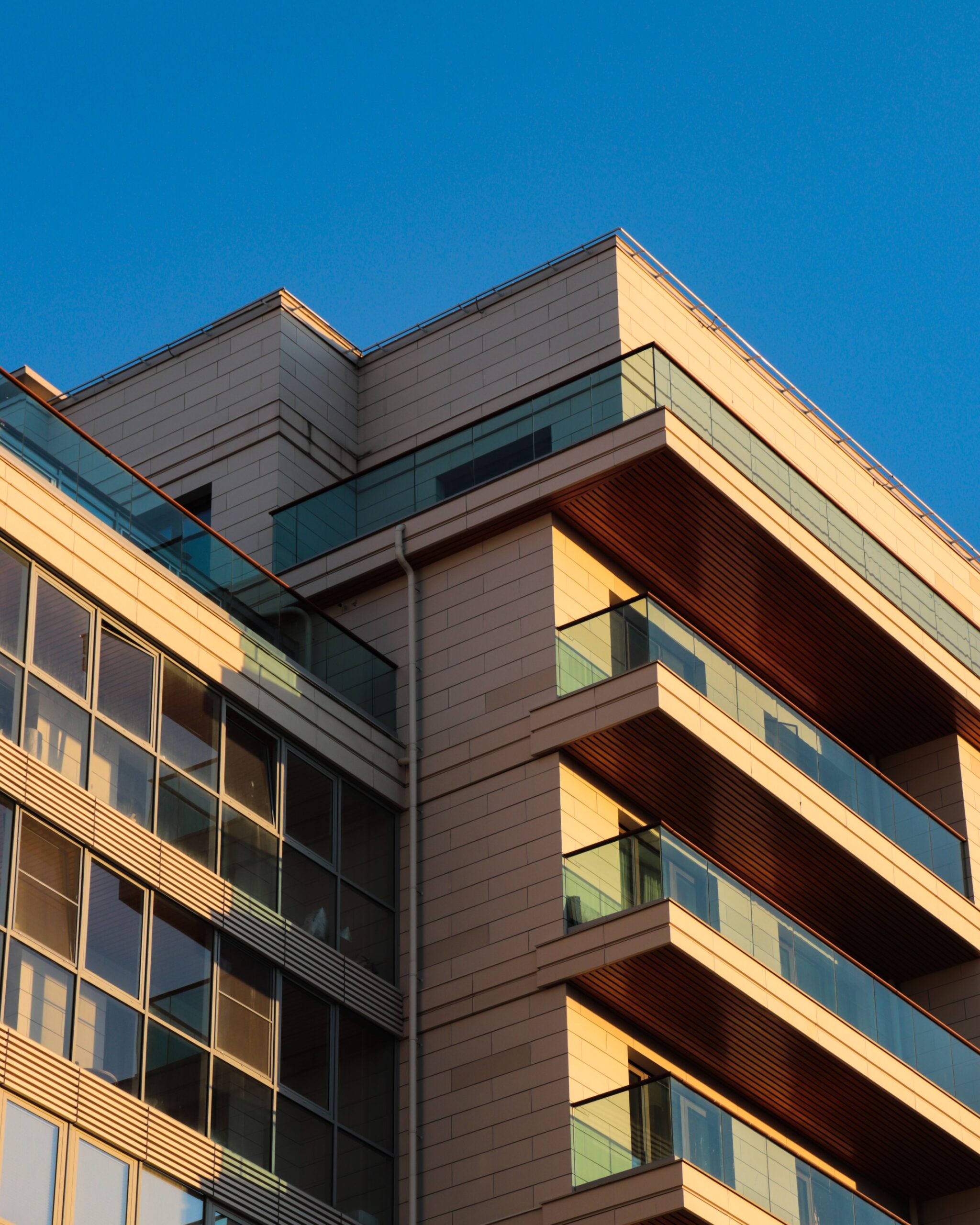
Headline-driven sentiment kept many institutional investors on the sidelines of Portland real estate for the past few years. Yet for contrarian multifamily investors, 2026 presents one of the most compelling entry points in the Pacific Northwest in over a decade.
While headlines focus on post-pandemic policy debates and recent inventory absorption, the underlying market fundamentals have quietly decoupled from past anxieties. Pricing has adjusted, deliveries are cratering, and long-term geographic constraints remain as rigid as ever.
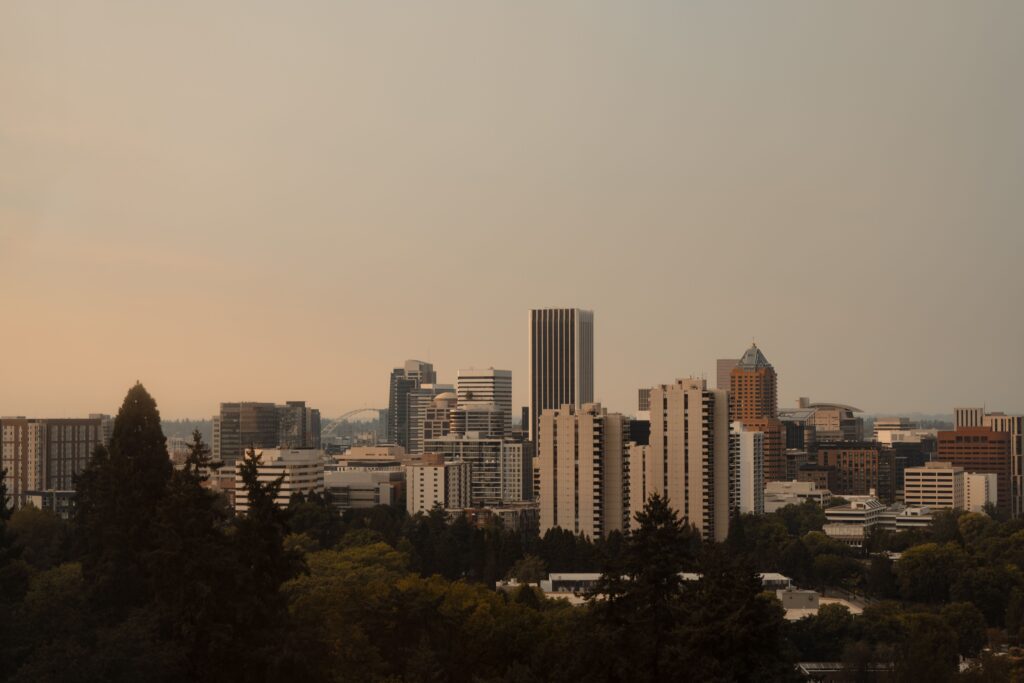
The Looming Construction Supply Cliff
Portland’s rental market spent 2024 and 2025 absorbing a wave of newly delivered units. In 2026, that pipeline has hit a wall.
High interest rates, elevated labor costs, and tight construction financing over the past three years brought new project starts to a crawl. Multifamily completions across the metro area are projected to drop by more than 50% year-over-year. Because it takes roughly two to three years to permit and build mid-rise or high-rise assets, this delivery drought is locked in for the foreseeable future.
As existing inventory continues to be absorbed through steady job growth, the market faces a classic supply-demand squeeze. Investors acquiring properties today are positioned to capture the rent growth that inevitably follows an inventory drought.

Acquisition Basis Below Replacement Cost
Building new multifamily housing in Oregon is expensive. Between local system development charges (SDCs), stringent energy codes, and high labor rates, replacement costs often hover between $350,000 and $450,000 per unit.
Due to the cap-rate expansion of the recent interest rate cycle, existing Class B and stabilized Class A properties in submarkets like Beaverton, Gresham, and inner Eastside neighborhoods have traded at significant discounts to reproduction cost. Buying existing cash-flowing doors at $180,000 to $250,000 per unit creates a massive defensive moat against new competition, giving buyers downside protection that was nonexistent during the peak valuations of 2021.

Structural Constraints and the Affordability Gulf
Portland’s unique urban planning framework has always protected long-term real estate values. Oregon’s strict Urban Growth Boundary (UGB) prevents the outward suburban sprawl common in Sunbelt markets like Phoenix or Dallas. Land available for residential development remains legally and geographically scarce.
At the same time, the cost gap between renting and owning a single-family home in the Portland metro remains near historical highs. With median home prices persistently above $500,000 and mortgage rates far above pandemic lows, the monthly cost to own is often 40% to 60% higher than renting a comparable apartment. This structural hurdle keeps middle-income households, young professionals, and downsizing retirees in the renter pool for longer.
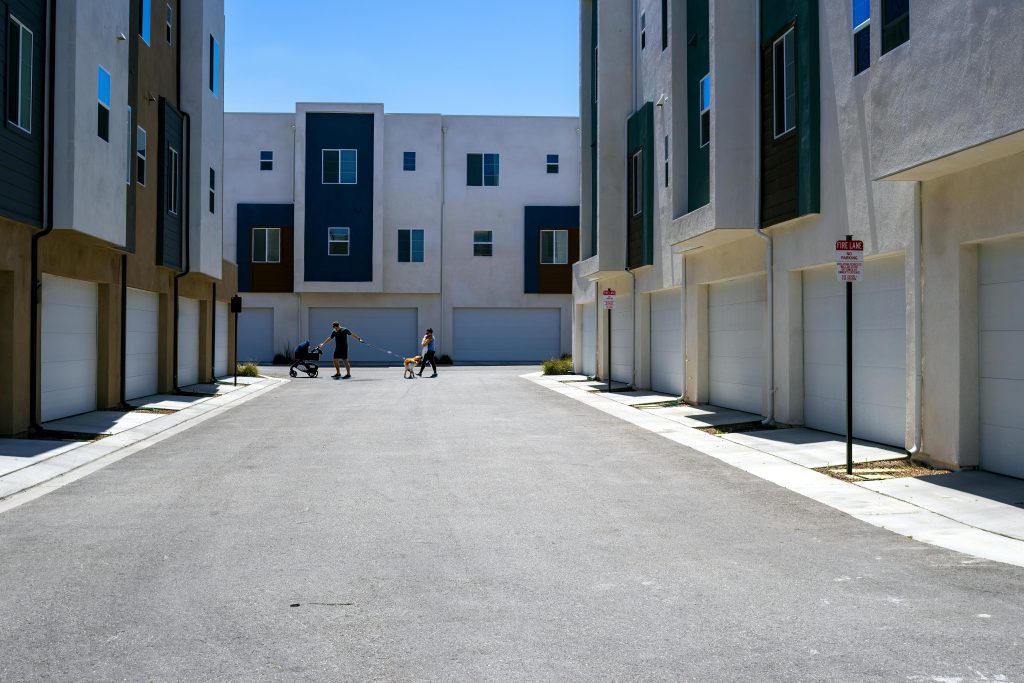
Resilient Micro-Markets and Submarket Diversity
Portland is not a monolith. While the downtown core has required patience, surrounding submarkets have demonstrated strong resilience.
-
The Silicon Forest (Hillsboro and Beaverton): Backed by major semiconductor expansions, advanced manufacturing, and tech hubs, Washington County continues to drive high-wage tenant demand.
-
Inner Eastside Neighborhoods: Districts like Hawthorne, Division, and the Central Eastside retain high walkability, transit access, and independent commercial vitality, keeping vacancy rates low among younger creative professionals.
-
Southwest Metro & Clackamas County: Lake Oswego, Tigard, and Tualatin offer stable, family-oriented tenant profiles with strong school systems and minimal new development pipeline.

Favorable Window for Patient Capital
Investing in Portland Oregon multifamily housing requires regulatory literacy, particularly around local tenant protections and rent stabilization statutes. However, those rules have largely been priced into current asset valuations. Sellers who had to exit under debt maturities have cleared out, leaving realistic pricing and motivated counterparties.
Real estate wealth is rarely made by entering markets at peak consensus. In 2026, Portland offers a clear window: supply is drying up, pricing has reset well below replacement cost, and the metro’s geographic and economic fundamentals continue to support sustained rental demand. For investors seeking long-term yield and generational appreciation, the timing aligns.

Protect Your Investment with 4 Rent Local
Your property is one of your most significant financial assets—don’t leave its safety to chance. At 4 Rent Local, we understand that a vacant property is better than a property occupied by the wrong person.
Our comprehensive tenant screening process is designed to identify high-quality residents who will pay on time, follow the lease terms, and treat your home as if it were their own. We handle the marketing, the vetting, and the day-to-day management so you can enjoy the benefits of real estate ownership without the chaos.
Stop gambling with your ROI. Contact 4 Rent Local today to learn how our expert property management and screening services can secure your financial future.
CALL TODAY: (503) 646-9664 – Talk to a Live Person – Our office answers the phone 9 AM to 5 PM Monday through Friday – or click here to connect with us online.

